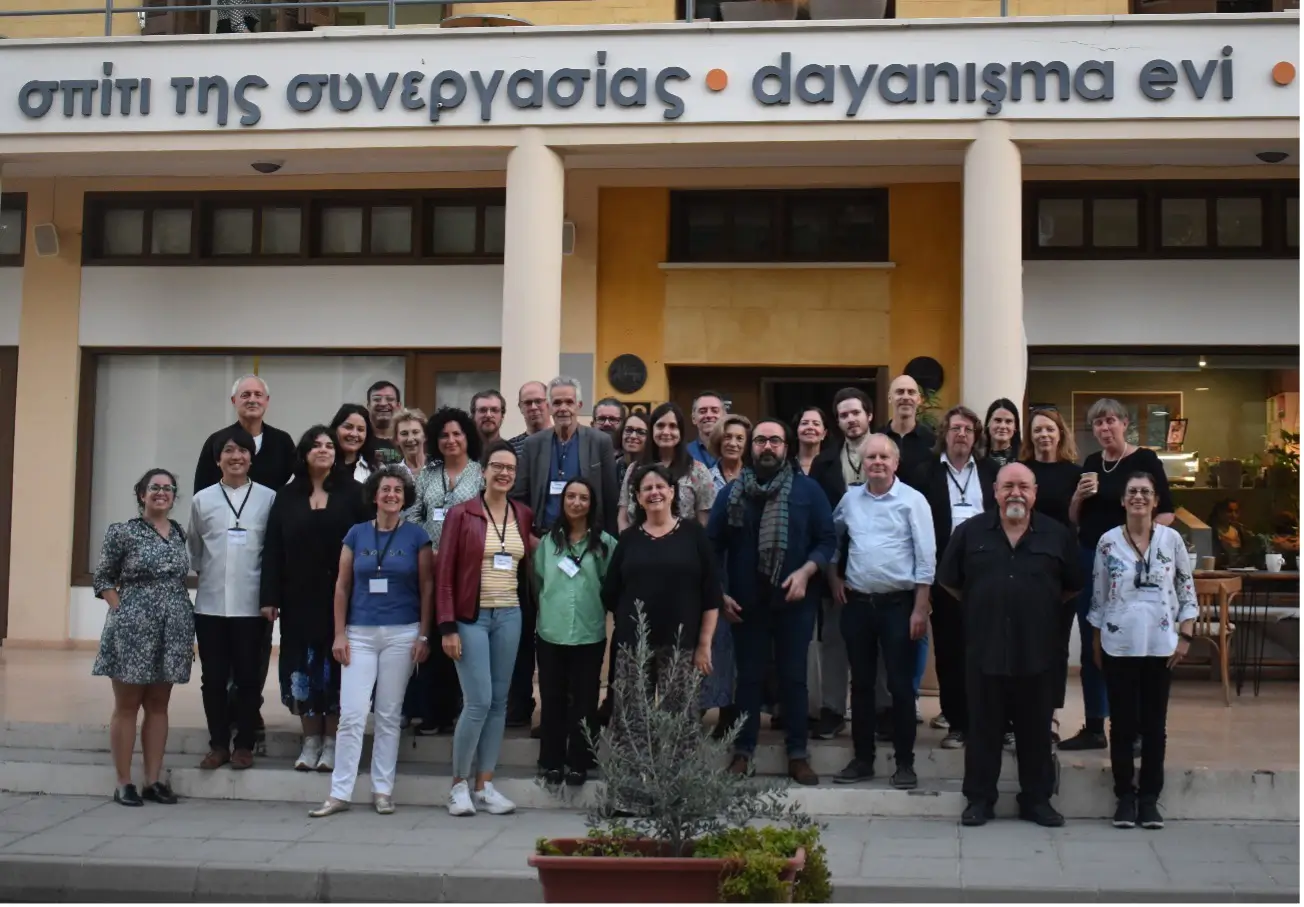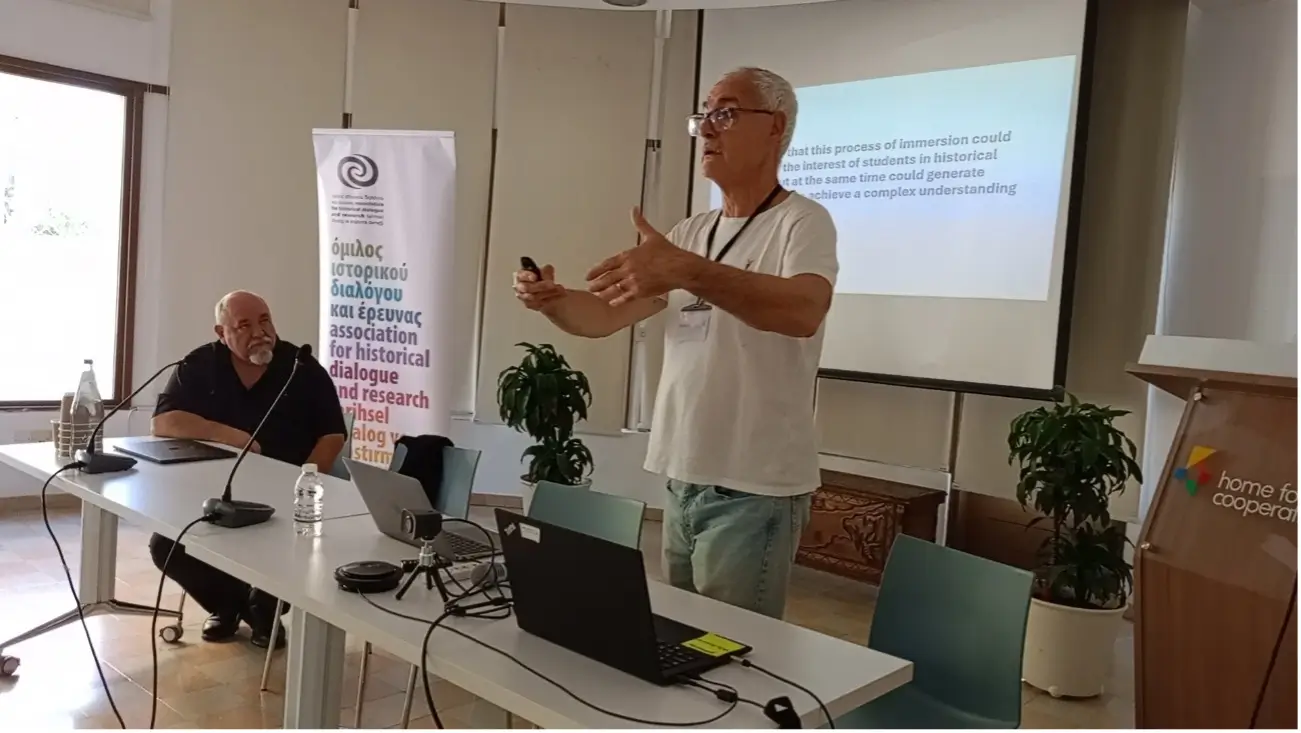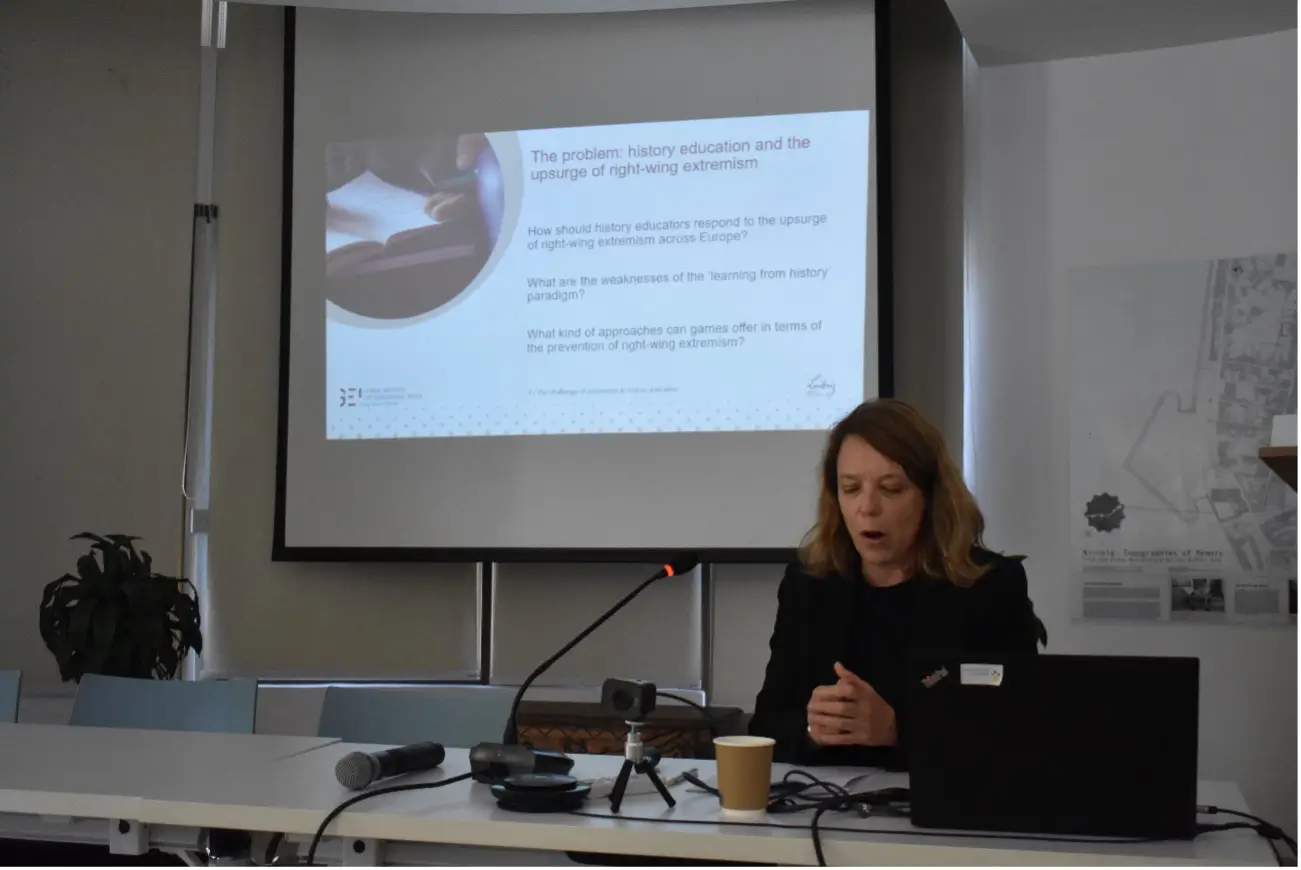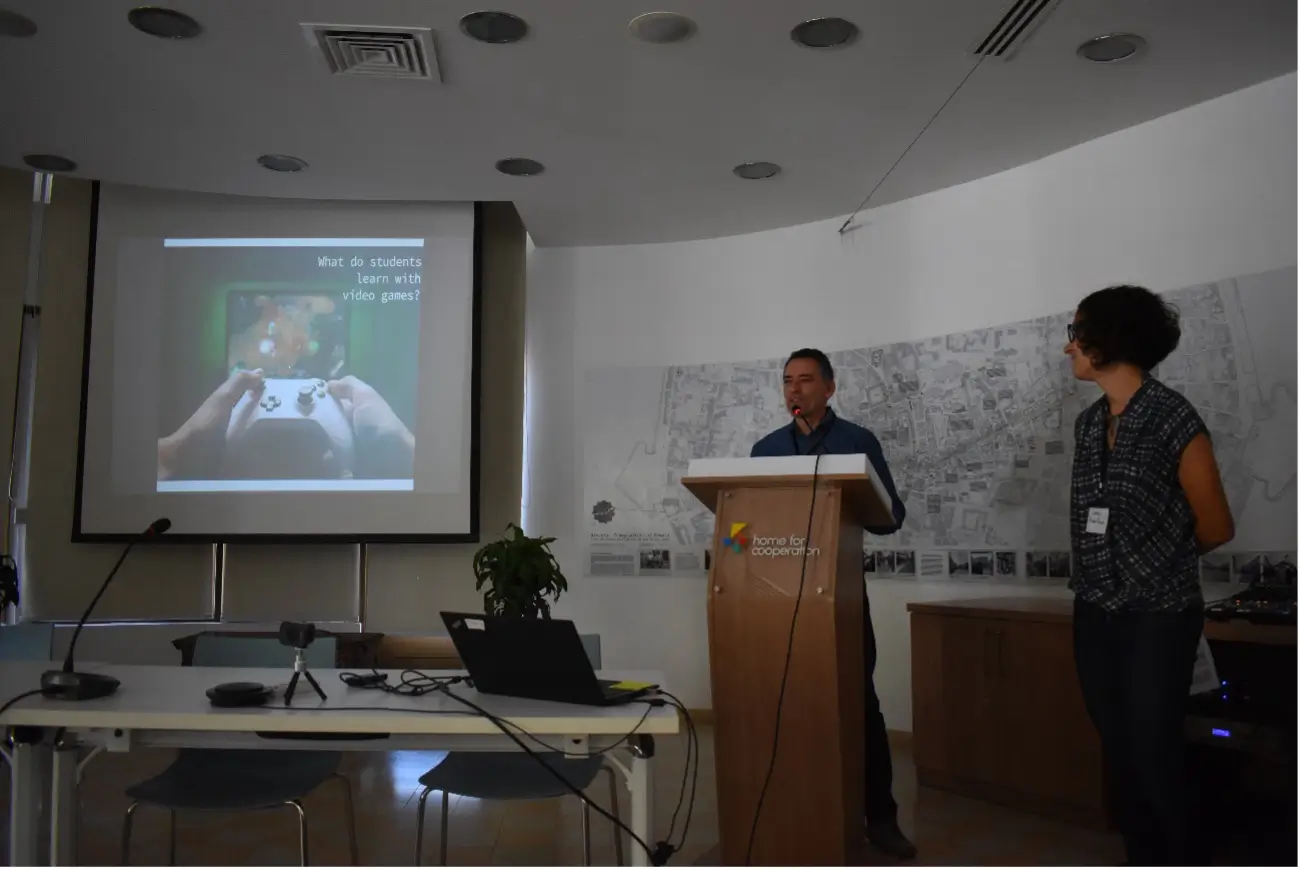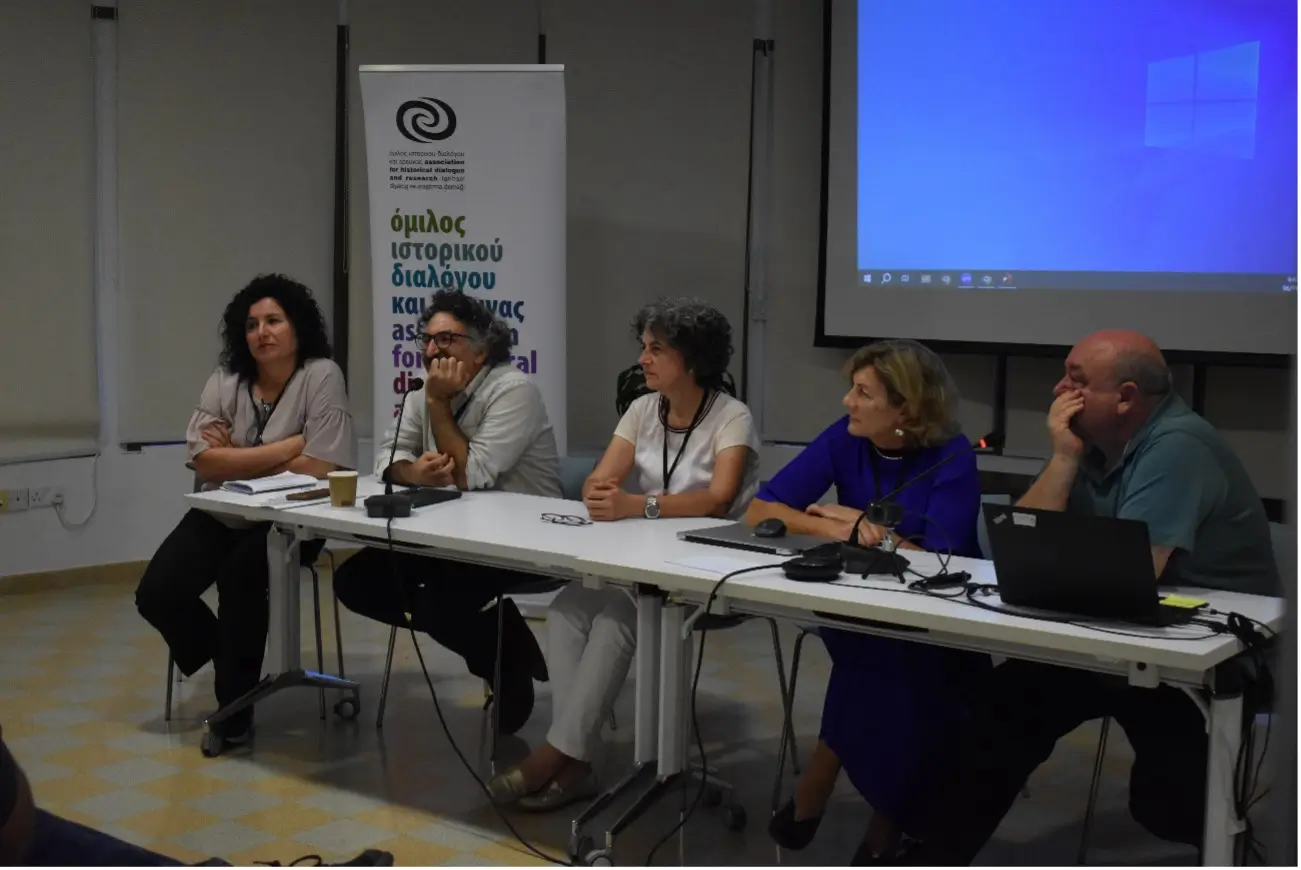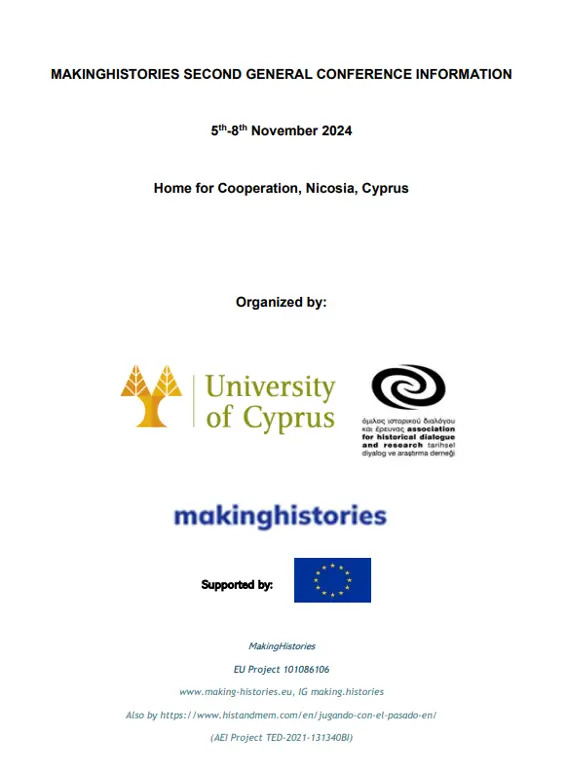
From November 5-8, 2024, a major international meeting took place in Nicosia (Cyprus) as part of two complementary events: the second general conference of the European Making Histories project and the second conference of the Playing with the Past series. Both were held in the “Home for Cooperation” space thanks to the collaboration of the University of Cyprus and the Association for Historical Dialogue and Research (AHDR).
Second conference of the Making Histories project
Making Histories is an interdisciplinary and international project that promotes a dialogical vision of the production of knowledge on historical culture and education, in the context of increasing globalization. Coordinated by Mario Carretero (UAM / FLACSO) and funded with 540,000 €, it aims to generate new approaches to the role of historical representations in democratic and reflective societies. It involves 18 institutions from Europe, Australia, Canada, South Korea, Israel and Latin America, with a special focus on gender issues and global challenges. The project revolves around three main questions:
– How can dialogic history teaching be fostered in formal and informal contexts?
– How can dialogical activities generate a new type of history teaching?
– How can international and interdisciplinary comparisons contribute to the achievement of a new kind of history teaching?
The Nicosia conference was structured in three thematic blocks.
1. Representation of turbulent pasts in today’s societies
This first block opened with a lecture by Michalinos Zembylas (Open University of Cyprus), who addressed the pedagogical role of emotion in peace education. Next, Ángela Bermúdez (University of Deusto) and Barbara Christophe (Georg-Eckert-Institut) proposed an improved analytical model on the normalization of violence in narratives of violent pasts. Maria Georgiou (AHDR) presented an interdisciplinary approach to cooperative history teaching in post-conflict situations, based on a policy brief derived from the Expert Seminar on History Teaching in the Eastern Mediterranean. Finally, Everardo Pérez Manjarrez (UNED) presented on the decolonization of museums and the re-signification of monuments as ways of recovering history and building new futures.
2. Teaching history in formal and informal contexts
The second thematic block was opened by Peter Gautschi (University of Teacher Education in Lucerne), who reflected on the concept of histotainment as a bridge between formal and informal history education. He was followed by Karel Van Nieuwenhuyse (KU Leuven), who focused on the relationship between identity and history education. Lindsay Gibson (University of British Columbia) and Roy Weintraub (Hebrew University of Jerusalem) presented a joint analysis of the role of the Nakba in the teaching of Israeli history and ethical judgments in a conflict that is still ongoing. Alicia Barreiro (FLACSO) addressed the development of identity among the Argentine Mapuche through history education. Finally, Charis Psaltis and Meltem O. Samani (University of Cyprus) presented specific proposals for educational practices in federal states.
3. Museums and recreations
This third block started with two keynote speeches. Robbert-Jan Adriaansen (Ghent University) proposed a reformulation of historical thinking skills, promoting a shift from academic principles to practical relevance. Next, Arthur Chapman (University College London) argued for historical interpretation as a fundamental concept in history teaching. Loizos Kapsalis (AHDR) then presented his work on visual representations of violence in museums dedicated to Basque nationalism and the Basque conflict. Iratxe Momoitio Astorkia (Gernika Peace Museum, GBM) analyzed the use of theater in museums and exhibitions as a tool to understand difficult historical pasts, with specific examples from Argentina. Idoia Orbe Narbaiza (GBM) dealt with the effect of the passage of time in permanent exhibitions, with special attention to historical and memory museums in Italy. Finally, Elena Pol (Interpretart) and Míkel Asensio (UAM) reflected on decolonization and historical thinking.
Second Playing with the Past conference
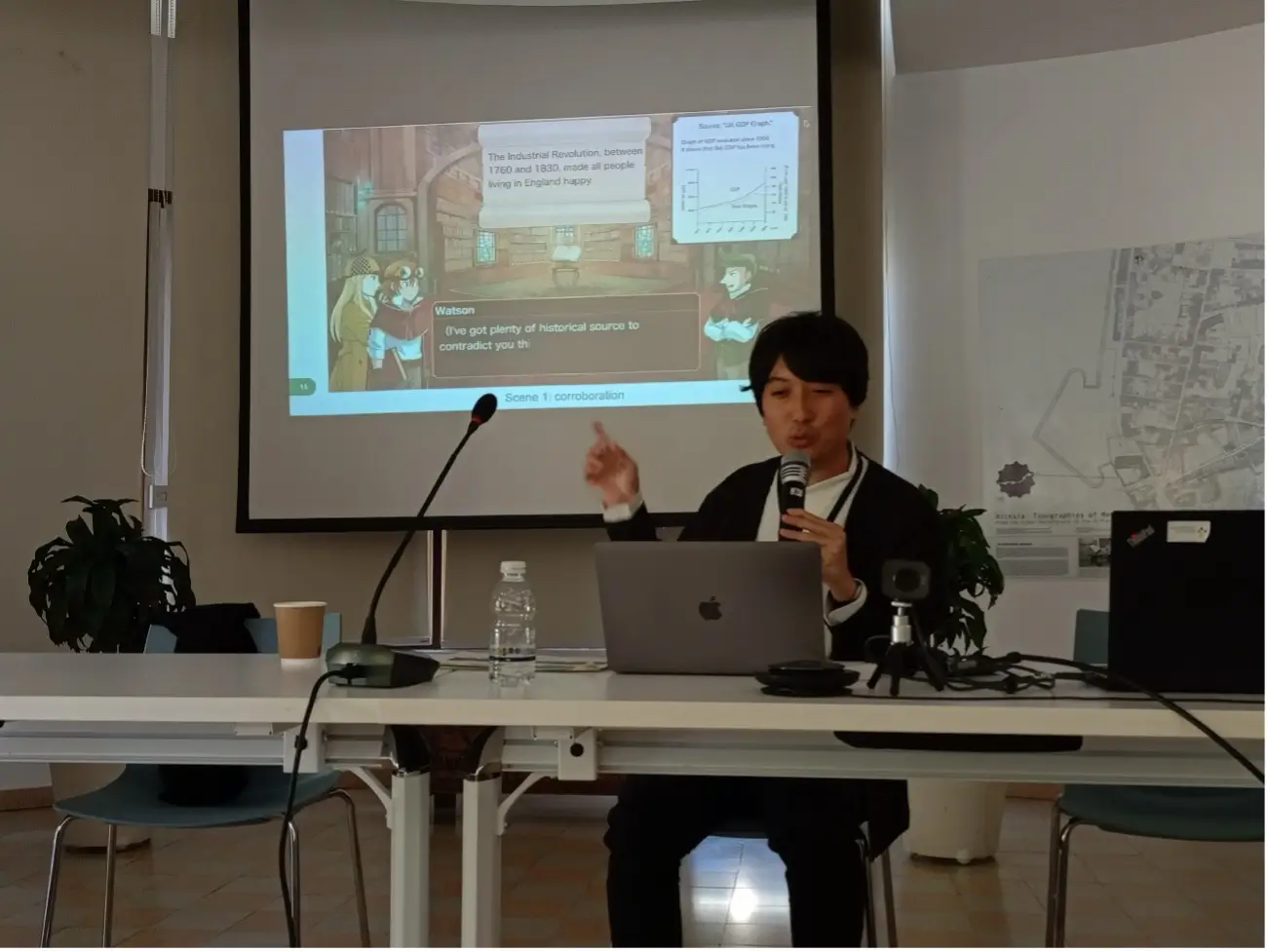
This was followed by the second conference of the Playing with the Past project, focused on the analysis of video games as a tool for historical learning. The opening speech was given by Mario Carretero (FLACSO, UAM) and Míkel Asensio. The first presentation was by Ryohei Ikejiri (Hiroshima University), who presented the development and formative evaluation of a learning game entitled Playing like a Historian, designed to overcome the typical difficulties of historical thinking. Taylor Kessner (University of Texas at Arlington) analyzed the opportunities offered by the educational video game Mission: US to exercise historical thinking and reasoning.
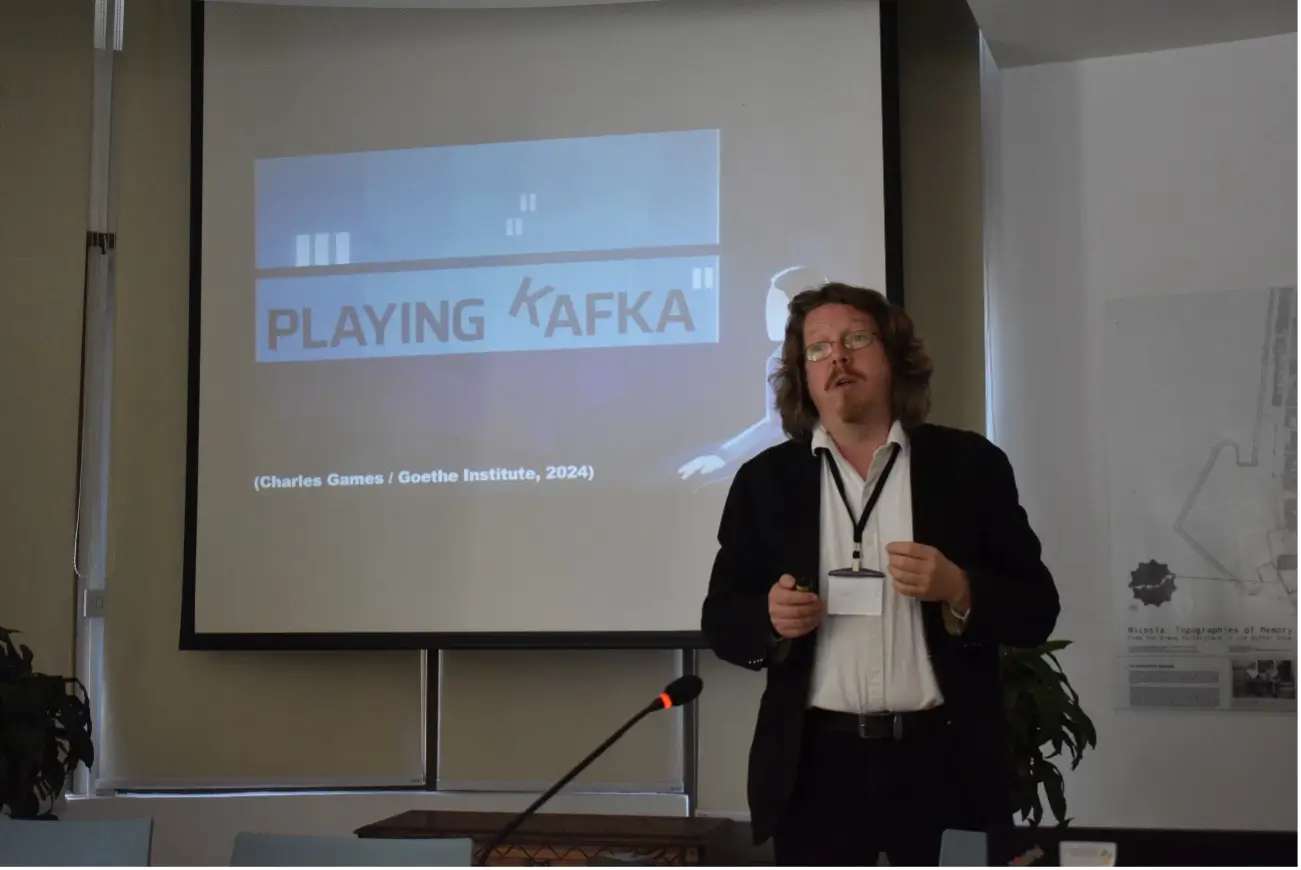
Alejandro Egea and Laura Arias Ferrer (University of Murcia) shared pedagogical principles for the design of a history and heritage game, based on an evaluation of immersive virtual reality video games. Maren Tribukait (Georg-Eckert-Institut) presented her work entitled “Teaching history as prevention: playing with the past or with the present?”. Next, Vit Šisler (Charles University) explained the development process of the educational game Playing Kafka, where his team has reimagined Kafka’s life and work from an interactive perspective.
Anne Schillig (University of Teacher Education in Lucerne) reflected on the development of a serious game based on the example of When We Disappear. Alberto Venegas Ramos (University of Murcia) shared his experience in collecting sources and designing a historical video game. Souvik Mukherjee (Centre for Studies in Social Sciences, Calcutta) offered a stimulating dissertation entitled “Playing against colonialism: historiography and pedagogy from a postcolonial perspective”. Barbara Christophe analyzed how teacher education students appropriate an agonistic digital game about the Nazi past.
In the final part, Loizos Loukaidis (AHDR) proposed a gamification aimed at posing challenging questions in contexts of teaching and learning history. Lindsay Gibson presented the Snapshots in Time card game, designed to foster chronological understanding of Canadian history. Finally, Iolie Nicolaidou (University of Cyprus) shared Fact Finders, a serious game focused on historical research from multiple perspectives of a conflict.
To close the lectures, Loizos Kapsalis led the participants on a guided tour of the city of Nicosia, presenting it as an educating agent. This visit provided insight into the divided city through an intersectional lens. Nicosia, marked by its separation between north and south, offers a privileged environment to reflect on collective memory, identity construction and historical thinking.
All in all, this experience was deeply enriching, not only for the level of the presentations and the debates generated, but also for the opportunity to get to know the city of Nicosia and the Cypriot country, its history, its culture and its people. The stay also allowed us to experience first-hand the social and cultural contrast between the two halves of the island.
We accompany this post with a gallery of images from the event, including several pictures of the speakers and a group picture taken in front of the “Home for Cooperation”.